EP73 Deconstructed

VINTAGE SOUND, FORENSIC DETAIL
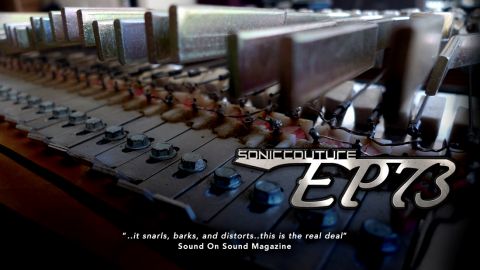
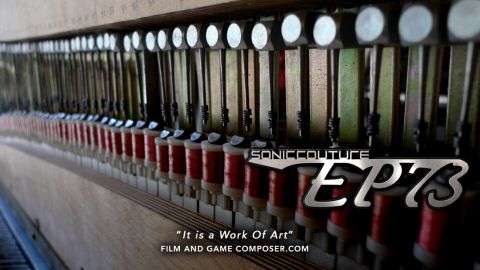
The insides of a vintage Stage 73 electric piano are a fascinating place. The classic keyboard sound is just the begining - the large electromagnetic harp holds entirely new sonic worlds - if you're prepared to look for them.
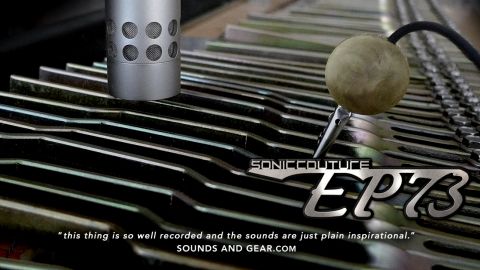
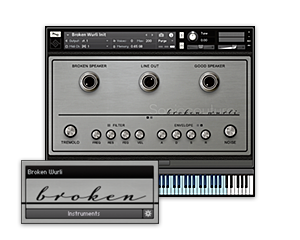
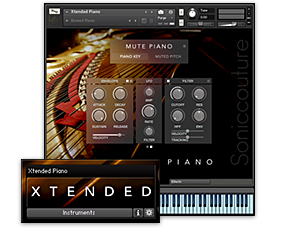
Taking our cue from Broken Wurli and our Xtended Piano instruments, we first sampled the keyboard in unprecedented detail, taking not only line-out samples but also close-miked hammers and a contact mic signal from each tine.
Then we went even deeper. We opened the EP lid up some more, exposed the harp and started to explore..
EP73 | Keyboard

The most detailed vintage Stage 73 instrument available. In addition to traditional line-out samples, the hammers were recorded with a microphone, and can be blended with the main output. This is a traditional electric piano recording technique that adds some extra attack and presence to the sound. A contact mic channel was also recorded, this adds a different attack transient and texture to the overall sound.
Control over key-off noise, pedal noise and sympathetic cabinet resonance using Kontakt's convolution processor add to the very physical, 3-D realism of this instrument's sound.
| Main Features |
|---|
3 channels - line out, microphone, contact mic 14 velocity layers, 3 round robin samples per channel Key-off, pedal noise & sympathetic cabinet resonance control User editable velocity response curve 6.1 GB compressed |
EP73 | Bowed

Bowing an electric piano is a little bit more difficult than bowing a real piano since the tines are so short and stiff. It’s difficult to get enough friction to keep them resonating, so we had to make longer and thicker bows than we used on the grand piano (see Xtended Piano). Once we got this working, however, it gave us a really nice, slightly spooky, sustained sample.
The bow noise element is provided on a seperate channel to the tine note for extra control. The alternate round-robin layers can be stacked and detuned using the edit controls under the main channel level knob. A KSP Glissando script creates constantly rising or falling pitch envelopes.
| Main Features |
|---|
2 channels - Seperate bow noise and tine note 3 alternate round robin bowed layers - detunable KSP glissando module 380 MB compressed |
EP73 | Plucked

As with other 'extended' instrument techniques, plucking the tines with a nylon guitar pick was the next ‘obvious’ technique, and this gave a really nice gentle sound, a bit like a metal harpsichord.
Soniccouture's KSP Strummer module is included and can be used to created huge harp-like glissando washes across the key range. The round-robin layers can also be layered together and detuned, as with the Bowed instrument.
| Main Features |
|---|
4 velocity layers 3 round robin layers, detunable Pluck latency control KSP Strummer module 875 MB compressed |
EP73 | Mallets

This instrument was made using a tiny steel jeweller's hammer. We hit three different places on the harp tuning fork to get an interesting range of metallic, ringing sounds : the tine itself, the tonebar, and the assembly (the base of the assembly bracket).
These sounds work very well as an 'alternative' EP sound by themselves - they are also excellent when layer with bowed or keyboard sounds as an extra bell-like layer.
| Main Features |
|---|
3 channels - Tine, Assembly and Tonebar 3 round robin layers 805 MB compressed |
EP73 | SFX

The SFX instrument is a bit different from the other instruments in this collection. It consists of 127 different special effects, a different one on each MIDI key, made by hitting, rubbing, and just generally abusing the instrument in some way or another.
The instrument features Soniccouture's FOCUS mode : a unique KSP module that allows the user to map any single sound across the entire keyboard with one click.
| Main Features |
|---|
127 different SFX sounds on one keyboard FOCUS mode maps any sound to full keyrange with one click Sample start offset & individual sample tuning functions 140 MB compressed |
Compatibility

This is a Kontakt Player instrument. This means that you do not need to own the full version of Native Instruments Kontakt to use it. It will run as a plug-in instrument in any VST/AU/RTAS compatible host program or DAW eg: Cubase, Logic, Ableton Live, DP, Reaper, Pro-Tools etc. No extra purchase is necessary.
The system requirements to run the instrument are :
Windows® XP (SP2, 32bit) / Vista® (32/64 Bit), Windows 7® (32/64 Bit) Mac OS® X 10.6 or higher, Intel® Core™ Duo
N.B. If you already own a full version of Kontakt 5, then you can also use the instrument in exactly the same way.
REQUIRES KONTAKT 5 OR FREE KONTAKT PLAYER
Download the free Kontakt Player
Mac: OS X 10.6 or higher (latest update), Intel Core Duo
PC: XP, Vista, Windows 7 (latest Service Pack, 32/64 Bit)
Stand-alone or plug-in (Audio Units, ASIO, Core Audio, WASAPI, RTAS (Pro Tools 8 and higher)